

 русский
 Español
How Can Manufacturers Improve Production Efficiency with Advanced Industrial Machinery?
Industrial buyers are facing growing challenges in maintaining consistent production quality, controlling maintenance costs, and adapting equipment to changing market requirements. For companies involved in valve manufacturing, construction materials, and heavy-duty processing, equipment selection has become a key factor affecting operational stability. The demand for Special Machinery For Gate Valve is increasing as manufacturers seek dedicated solutions for precision machining and assembly processes. Meanwhile, Aggregate Machine Hydraulic technology is gaining attention among engineering teams looking for reliable hydraulic performance in demanding working environments.
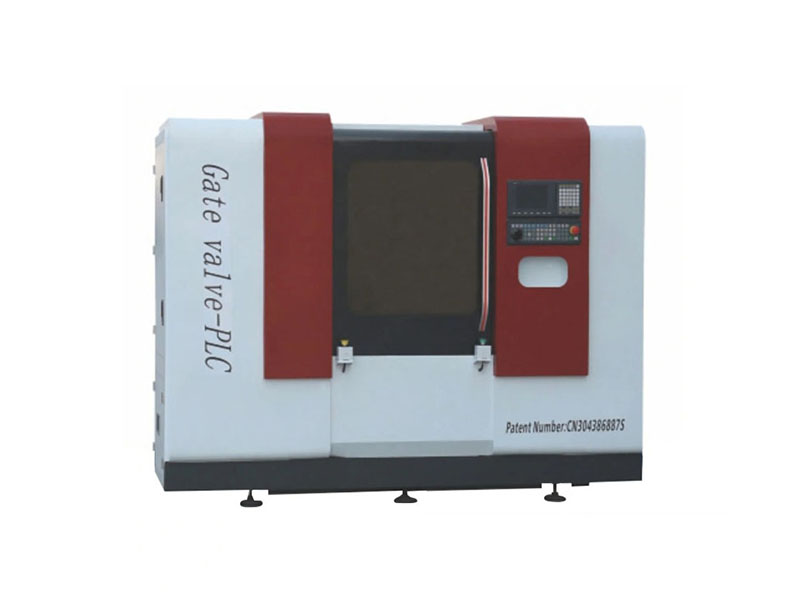
Addressing Precision Challenges in Gate Valve Production
Gate valves are widely used in industries such as water treatment, oil and gas, power generation, and industrial pipelines. Due to their important sealing functions, manufacturing accuracy directly affects service reliability. Many overseas buyers are now searching for machinery that can improve dimensional consistency and simplify production management.
Traditional machining methods may require multiple machines and manual adjustments, which can increase processing complexity. Special Machinery For Gate Valve provides a more targeted approach by combining specific machining functions into one dedicated system. This helps manufacturers improve workflow organization while maintaining stable production standards.
Reducing Production Interruptions Through Better Equipment Design
Unexpected equipment downtime is a common concern among factory managers. In competitive industrial markets, buyers are paying more attention to machine structures, component accessibility, and maintenance requirements before making purchasing decisions.
For industrial machinery manufacturers, equipment design is no longer only about processing capability. Engineers are also focusing on:
- Easier inspection and replacement of key components
- Improved operator accessibility
- More organized electrical and hydraulic layouts
These practical improvements help factories maintain smoother production schedules and reduce unnecessary interruptions.
Hydraulic Technology Supporting Heavy-Duty Applications
In aggregate processing, construction, and material handling industries, hydraulic systems provide essential power for equipment movement and control. However, harsh environments with dust, vibration, and continuous operation can place additional pressure on hydraulic components.
Modern Aggregate Machine Hydraulic solutions are designed with greater attention to system stability, energy management, and long-term durability. Engineers are increasingly evaluating hydraulic performance based on operating conditions rather than only initial specifications.
A suitable hydraulic configuration can support:
- Stable power transmission during heavy workloads
- More controlled machine movement
- Reduced stress on mechanical components
- Meeting Customized Requirements from Global Buyers
Different industries often require different equipment configurations. International buyers are increasingly looking for manufacturers that can provide customized solutions instead of standard machines only.
Customization may involve:
- Adjusting machine dimensions according to production space
- Modifying processing steps for specific valve models
- Integrating hydraulic systems with existing production lines
This trend creates opportunities for equipment suppliers that understand both engineering requirements and real production challenges.
Improving Equipment Value Through Smart Manufacturing
Automation and digital monitoring continue to influence industrial purchasing decisions. Many factories are exploring how sensors, control systems, and data feedback can improve equipment management.
For valve machining equipment, automated control can help operators monitor processing conditions and maintain consistent results. In hydraulic machinery applications, monitoring systems can provide valuable information about pressure changes, operating cycles, and possible maintenance needs.
These improvements allow production teams to make decisions based on actual equipment conditions rather than assumptions.
Why Long-Term Service Capability Matters
When purchasing industrial equipment from overseas suppliers, buyers consider more than machine delivery. Technical communication, spare parts support, and after-sales service are also important factors.
Manufacturers with engineering experience can provide better assistance during installation, commissioning, and future upgrades. This service-oriented approach helps customers achieve better equipment utilization throughout the machine lifecycle.
Building Reliable Industrial Solutions for Future Manufacturing
As global industries continue upgrading their production systems, manufacturers need equipment that combines precision, flexibility, and dependable operation. Whether improving valve machining processes or optimizing hydraulic performance in aggregate applications, the right machinery can support more efficient industrial workflows. By focusing on engineering details and customer requirements, Special Machinery For Gate Valve and Aggregate Machine Hydraulic solutions are becoming important choices for companies seeking stable production and sustainable equipment performance.

- No.1-2,24th Street, Eastern New District, Wenling City.Zhejiang Province
-
+86-13906540425
+86-13566858277
+86-576-87168388
+86-13757649712 - +86-576-87168398
- [email protected]
[email protected]
 Privacy