


 русский
 Español
Aggregate Machine For Pipe Fitting: Integrate Automation to Reduce Labor Costs
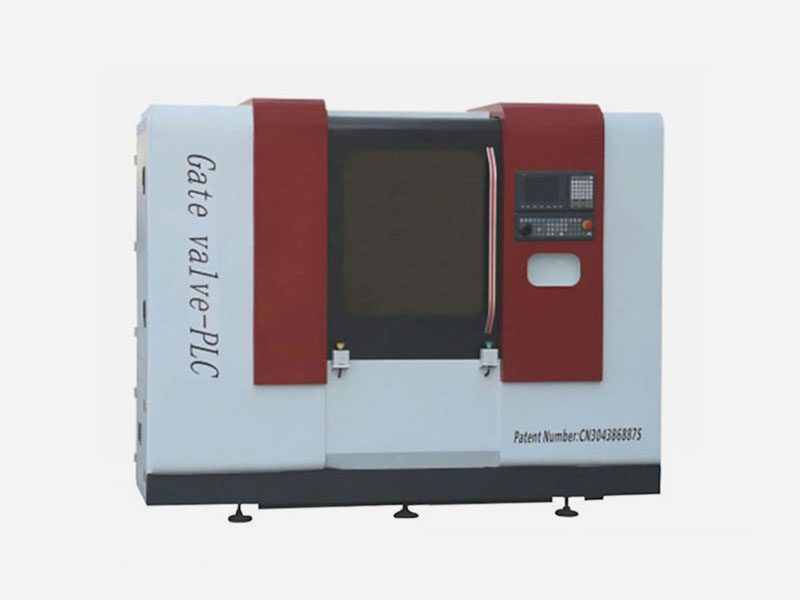
Aggregate Machine for Pipe Fitting is increasingly integrated with automation systems to reshape how pipe fittings are produced in modern workshops. As production environments evolve, manufacturers are placing greater emphasis on reducing manual intervention while maintaining consistent machining quality. At the same time, many valve producers are adopting an Aggregate Machine For Brass Valve to introduce similar automation principles into brass valve body processing. The transition toward automation is not simply about replacing workers; it is about building a more coordinated and predictable manufacturing structure.
Labor Challenges in Conventional Machining
Traditional pipe fitting production often depends heavily on operator skill. Workers manually load parts, align fixtures, start machining cycles, and transfer components between drilling and tapping stations. When multiple surfaces require processing, repetitive handling becomes unavoidable.
Common issues in manual-intensive environments include:
- Variations between operator shifts
- Delays caused by part repositioning
- Inconsistent thread engagement depth
- Production interruptions during tool changes
As order volumes fluctuate, relying on manual coordination can make scheduling more complex.
Core Automation Components
An automated Aggregate Machine for Pipe Fitting typically integrates several key systems:
- Automatic feeding mechanisms
- Hydraulic or pneumatic clamping units
- Centralized control interface
- Coordinated spindle sequencing
- Chip removal and lubrication management
These elements work together to create a smoother machining cycle. Once the component is positioned, drilling and tapping operations are executed through programmed sequences, reducing the need for repeated manual adjustments.
In brass valve workshops, an Aggregate Machine For Brass Valve may incorporate indexing tables or transfer units to move valve bodies between machining stations with consistent positioning accuracy.
Reduced Manual Intervention
Automation integration allows a single operator to oversee multiple machines rather than being physically involved in each machining step. This shift transforms the operator’s role into monitoring, quality inspection, and process supervision.
Benefits include:
- Fewer repetitive lifting tasks
- Lower dependency on the individual operator technique
- More stable cycle timing
- Simplified training requirements
Rather than eliminating human involvement, automation channels human effort into higher-value activities such as quality verification and maintenance planning.
Consistent Production Rhythm
A coordinated automation system creates predictable machining cycles. Drilling depth, tapping feed rate, and spindle synchronization follow predefined parameters, reducing variability between batches.
This consistency is particularly important when pipe fittings must match threaded connections precisely. Similarly, brass valve bodies require accurate port threading to ensure reliable assembly and sealing. An Aggregate Machine for Brass Valve applies the same controlled machining logic to achieve stable dimensional outcomes.
Integration with Supporting Equipment
Automation also enables seamless connection with other production stages, including:
- Cleaning systems
- Surface finishing processes
- Online inspection equipment
- Packaging lines
When the Aggregate Machine for Pipe Fitting operates as part of a linked production cell, material flow becomes more structured. Components move logically from machining to cleaning and inspection without excessive storage or handling.
Valve manufacturers benefit from a similar configuration, where an Aggregate Machine for Brass Valve forms the central machining unit within a broader production arrangement.
Long-Term Operational Impact
Over time, automated machining systems contribute to:
- Clearer production planning
- Improved workshop organization
- Reduced idle machine time
- Greater scheduling transparency
Because machining sequences are standardized, maintenance routines can also be planned more effectively. Preventive inspection of spindle heads, lubrication systems, and clamping units supports steady performance across extended operation periods.
Integrating automation into an Aggregate Machine For Pipe Fitting transforms traditional production models into structured, coordinated systems. By reducing repetitive manual tasks and stabilizing machining cycles, manufacturers build a more predictable and organized workflow. When similar automation principles are introduced through an Aggregate Machine for Brass Valve, both pipe fitting and valve production lines can operate with unified control logic and consistent quality outcomes.

- No.1-2,24th Street, Eastern New District, Wenling City.Zhejiang Province
-
+86-13906540425
+86-13566858277
+86-576-87168388
+86-13757649712 - +86-576-87168398
- [email protected]
[email protected]
 Privacy