


 русский
 Español
Aggregate Machine Hydraulic System Design for Multi-Station Operations
Aggregate Machine Hydraulic systems are essential in multi-station material processing operations, where precise coordination between multiple actuators, cylinders, and hydraulic motors is required. These systems enable each station to function independently while maintaining synchronization with other stations, supporting continuous and safe operation. Engineers often reference Rotary Transfer Machine Hydraulic systems for guidance because they successfully manage multiple workstations with controlled hydraulic motion and coordinated timing. Lessons learned from rotary transfer machines can inform the design of aggregate machine hydraulic circuits, ensuring reliability, efficiency, and adaptability.
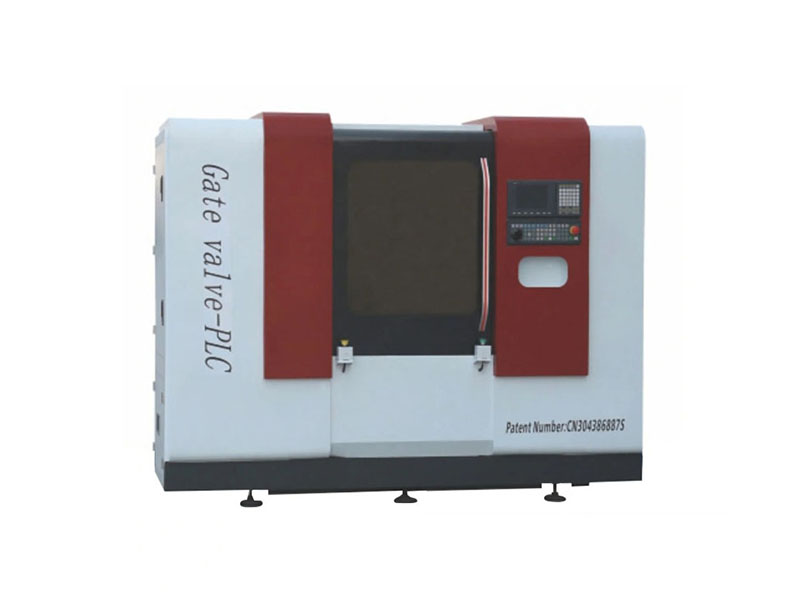
Analyzing Multi-Station Requirements
Designing a multi-station hydraulic system begins with a detailed understanding of the operational needs of each station. Each actuator must receive sufficient hydraulic pressure and flow to perform its task effectively. Flow control and pressure regulation are essential to maintain consistent speed and force across all stations. Observing Rotary Transfer Machine Hydraulic systems highlights how synchronized movement of multiple components can be achieved without conflicts, demonstrating the importance of precise timing and sequencing in hydraulic operations.
Circuit Design Principles
A well-designed aggregate machine hydraulic circuit includes main pumps, directional control valves, pressure relief valves, accumulators, and flow regulators. The layout should minimize pressure drop while ensuring adequate supply to each station. By applying concepts from Rotary Transfer Machine Hydraulic systems, engineers can implement distributed hydraulic paths, sequential control valves, and parallel actuator arrangements to maintain reliable operation. Proper circuit design ensures smooth motion, reduces stress on mechanical components, and supports consistent production even under varying loads.
Control and Safety Considerations
Safety and control are integral to hydraulic system design. Pressure relief valves prevent overpressure conditions, while interlocks and sensors ensure that components only operate within designated parameters. Rotary Transfer Machine Hydraulic systems demonstrate how safety can be integrated directly into the hydraulic network, providing multiple layers of protection. In aggregate machines, similar safety measures prevent accidental motion, protect operators, and reduce the risk of component damage, particularly in complex multi-station layouts where uncoordinated movement could cause collisions or material spillage.
Optimizing Performance and Efficiency
Hydraulic efficiency is closely tied to system layout, component selection, and control strategy. Proper pump sizing, accurate flow distribution, and regulated pressure settings contribute to energy savings and improved actuator performance. Rotary Transfer Machine Hydraulic systems illustrate the benefits of precise flow and pressure control for multi-station coordination. Aggregate machines can adopt similar techniques to optimize performance, maintain consistent station timing, and reduce unplanned interruptions. Efficient hydraulic design also extends the life of cylinders, motors, and valves, reducing maintenance needs over time.
Troubleshooting and Maintenance Integration
A well-designed system should also facilitate troubleshooting and maintenance. Accessible valves, modular circuit sections, and clear diagnostic points help engineers quickly identify and resolve issues. Rotary Transfer Machine Hydraulic designs often include monitoring ports and easily replaceable components, providing a model for aggregate machine systems. Integrating these design principles enables timely intervention when problems occur and minimizes operational downtime while maintaining production efficiency.
Designing an Aggregate Machine Hydraulic system for multi-station operations requires careful consideration of actuator coordination, pressure management, and safety measures. By drawing inspiration from Rotary Transfer Machine Hydraulic systems, engineers can develop circuits that provide synchronized operation, reduce mechanical stress, and improve efficiency. A well-designed hydraulic system ensures reliable, continuous production, enhances operational safety, and simplifies maintenance, making multi-station aggregate machines more productive and durable in demanding industrial environments.

- No.1-2,24th Street, Eastern New District, Wenling City.Zhejiang Province
-
+86-13906540425
+86-13566858277
+86-576-87168388
+86-13757649712 - +86-576-87168398
- [email protected]
[email protected]
 Privacy