


 русский
 Español
Aggregate Machine Hydraulic Maintenance Tips for Long-Term Performance and Reliability
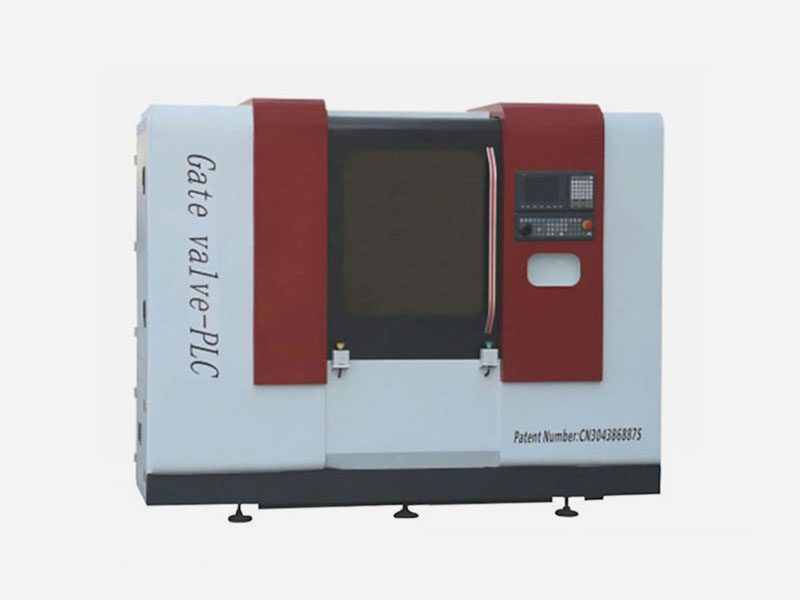
Aggregate Machine Hydraulic systems are vital for continuous and efficient operation in material processing environments. These systems manage heavy loads and repetitive motions across cylinders, valves, and actuators, ensuring that multiple components work in coordination. Effective maintenance is critical to sustaining long-term performance and preventing unexpected downtime. Engineers often study Rotary Transfer Machine Hydraulic systems because they successfully maintain reliability in multi-station environments, offering valuable insights for designing maintenance programs for aggregate machines.
Routine Maintenance Tasks
Routine maintenance is essential to prevent hydraulic failures. Key tasks include checking fluid levels, inspecting hoses and fittings, and verifying valve and actuator performance. Clean hydraulic fluid reduces the risk of contamination and wear, while proper hose and connection maintenance prevents leaks and pressure loss. Rotary Transfer Machine Hydraulic systems emphasize the importance of fluid cleanliness and correct alignment of components, lessons that can be applied directly to aggregate machines to maintain consistent operation and reduce mechanical stress.
Monitoring System Health
Monitoring system health is critical for identifying issues before they become serious. Pressure gauges, flow meters, and sensors provide real-time feedback on system performance, allowing early detection of anomalies such as pressure fluctuations, slow actuator response, or unusual vibrations. Rotary Transfer Machine Hydraulic systems implement systematic monitoring to maintain stable multi-station operations. Aggregate machine operators can adopt similar strategies, recording performance trends and analyzing data to anticipate potential failures and schedule maintenance proactively.
Preventive Strategies
Preventive maintenance involves more than routine inspections. It includes ensuring hydraulic components operate within recommended parameters, replacing worn seals and filters on schedule, and using appropriate fluid types for the working environment. Rotary Transfer Machine Hydraulic systems demonstrate that preventive care not only avoids sudden failures but also extends component life. Aggregate machines benefit from applying these strategies, as they reduce the likelihood of unexpected downtime and maintain steady material processing performance.
Maintenance Scheduling and Training
Establishing a structured maintenance schedule ensures tasks are completed consistently and on time. Clear logs, detailed checklists, and well-defined responsibilities help maintain accountability and improve the reliability of the system. Operator training is also essential, as personnel must recognize early signs of hydraulic issues, including abnormal noises, delayed movement, or leaking components. Lessons from Rotary Transfer Machine Hydraulic systems show that effective training and routine checks significantly enhance system longevity and operational reliability.
Optimization and System Improvements
Regularly reviewing maintenance procedures allows for continuous improvement. Adjustments to inspection intervals, fluid replacement schedules, and component calibration can enhance system performance. By observing the maintenance strategies used in Rotary Transfer Machine Hydraulic systems, aggregate machine operators can implement improvements that reduce wear and tear, improve energy efficiency, and maintain smooth operation across all stations.
Long-term reliability of Aggregate Machine Hydraulic systems depends on proactive and systematic maintenance. Drawing insights from Rotary Transfer Machine Hydraulic systems provides practical guidance on routine care, preventive strategies, monitoring, and staff training. Implementing these practices ensures that hydraulic systems operate efficiently, components last longer, and production remains consistent even under demanding conditions. Effective maintenance ultimately safeguards operational stability and reduces the risk of costly interruptions in material processing operations.

- No.1-2,24th Street, Eastern New District, Wenling City.Zhejiang Province
-
+86-13906540425
+86-13566858277
+86-576-87168388
+86-13757649712 - +86-576-87168398
- [email protected]
[email protected]
 Privacy