


 русский
 Español
Aggregate Machine Hydraulic Troubleshooting Methods to Reduce Downtime and Failures
Aggregate Machine Hydraulic systems are prone to operational issues that can reduce productivity and cause unexpected downtime. Components such as pumps, cylinders, valves, and sensors can experience wear, pressure fluctuations, or mechanical misalignment due to prolonged use and exposure to harsh working conditions. Understanding structured troubleshooting methods is critical for maintaining continuous operation in demanding industrial settings. Rotary Transfer Machine Hydraulic systems provide a useful reference because they manage complex multi-station operations where reliability and fault resolution are essential. Lessons from these systems can be applied to aggregate machinery to detect, isolate, and resolve hydraulic problems efficiently, leveraging proven practices from similar high-complexity setups.
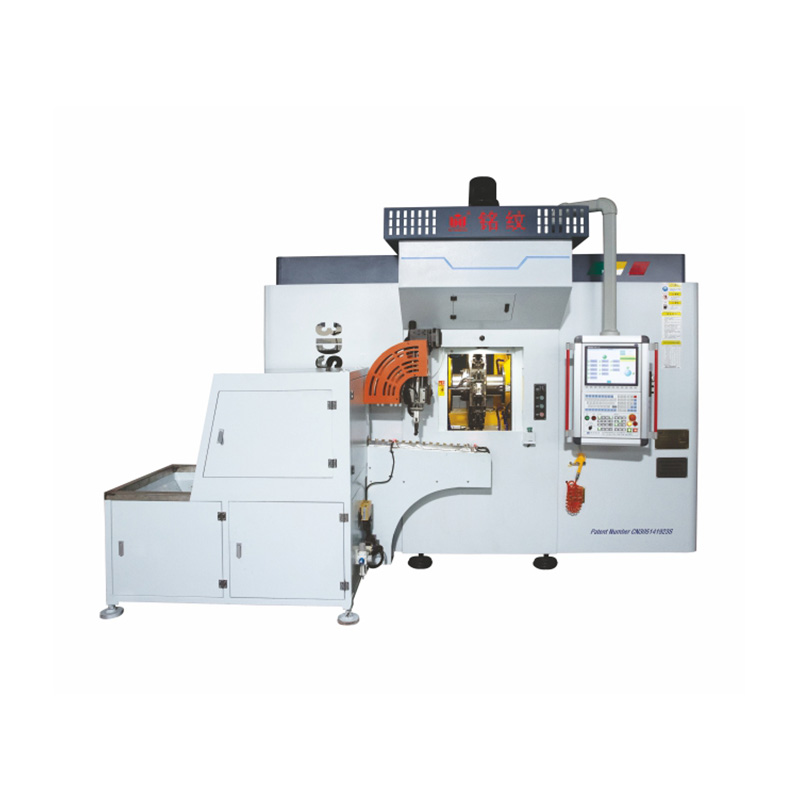
Identifying Common Hydraulic Problems
Common problems include hydraulic pump failure, leaking cylinders, clogged valves, inconsistent pressure, and actuator delays. These issues may present as slow or erratic motion, unresponsive components, or pressure instability, often triggered by contamination, component degradation, or improper system adjustments. Observing similar problems in Rotary Transfer Machine Hydraulic systems demonstrates that systematic identification and testing can cut down on downtime and prevent cascading failures that spread to other system parts. Aggregate machine operators can adopt diagnostic routines to detect early warning signs—such as unusual vibrations or fluid discoloration—before they advance to complete system stoppages.
Systematic Troubleshooting Approach
Troubleshooting should follow a step-by-step method to avoid unnecessary disassembly and misdiagnosis. First, inspect hydraulic fluid levels, cleanliness, and viscosity, as contamination or incorrect fluid properties are frequent root causes of malfunctions. Next, check the pump and its connections for leaks or abnormal noises, which often indicate internal wear or loose fittings. Then, evaluate valves and actuators, testing their responses individually to determine potential faults in operation or alignment. Electrical and control signals should be verified to ensure proper operation of interlocks and sequence mechanisms that govern system coordination. Rotary Transfer Machine Hydraulic systems emphasize isolating each component during testing, allowing engineers to efficiently pinpoint the source of failure and prevent misdiagnosis that wastes time and resources.
Quick Resolution Techniques
Temporary solutions may be implemented to maintain production while permanent repairs are completed, provided these measures adhere to safety protocols. These can include bypassing malfunctioning valves, using auxiliary pumps, or manually actuating certain components to sustain operation without compromising system integrity. In Rotary Transfer Machine Hydraulic systems, similar measures help limit production interruptions without putting personnel or equipment at risk. Applying these techniques in aggregate machines allows operators to maintain workflow and prevent extended downtime during critical processing operations when production continuity is vital.
Preventive Measures and Reliability Improvements
Preventing future failures requires ongoing monitoring of system performance, consistent maintenance of hydraulic fluid quality, prompt replacement of worn components, and training personnel to recognize early warning signs. Regular fluid analysis, filter changes, and component inspections form the foundation of these efforts. Rotary Transfer Machine Hydraulic systems demonstrate that preventive strategies, combined with systematic maintenance, significantly cut down on the risk of recurring faults. Aggregate machine operators can implement similar preventive measures to ensure consistent system performance and extend the operational lifespan of hydraulic components, reducing long-term maintenance costs.
Optimizing Troubleshooting Practices
Documenting faults, analyzing patterns in malfunctions, and refining troubleshooting steps over time improve problem resolution efficiency. Recording details such as fault symptoms, environmental conditions, and resolution processes creates a knowledge base for future reference. By integrating lessons from Rotary Transfer Machine Hydraulic systems, operators can develop structured diagnostic guides that simplify fault detection and resolution for all team members. This proactive approach cuts down on downtime, supports consistent production, and enhances overall system reliability in aggregate processing operations.
Effective troubleshooting of Aggregate Machine Hydraulic systems is essential to maintain continuous operation and minimize downtime in industrial environments. By applying structured diagnostic approaches inspired by Rotary Transfer Machine Hydraulic systems, engineers can quickly identify and resolve faults, implement preventive measures, and maintain reliable performance across all stations. Integrating these practices ensures stable operation, protects equipment from further damage, and supports consistent productivity in demanding material processing applications where operational continuity is a key priority.

- No.1-2,24th Street, Eastern New District, Wenling City.Zhejiang Province
-
+86-13906540425
+86-13566858277
+86-576-87168388
+86-13757649712 - +86-576-87168398
- [email protected]
[email protected]
 Privacy