

 русский
 Español
How Servo Technology Improves Rotary Transfer Machine Performance for Modern Manufacturing
As manufacturers worldwide continue to focus on automation upgrades and production efficiency, machine accuracy and flexibility have become important purchasing factors. Rotary Transfer Machine Servo solutions are attracting attention from engineers and industrial buyers because servo systems can improve motion control, machining stability, and operational flexibility. For companies producing automotive parts, metal components, and precision hardware, understanding the role of servo technology helps them select suitable equipment for long-term manufacturing needs.
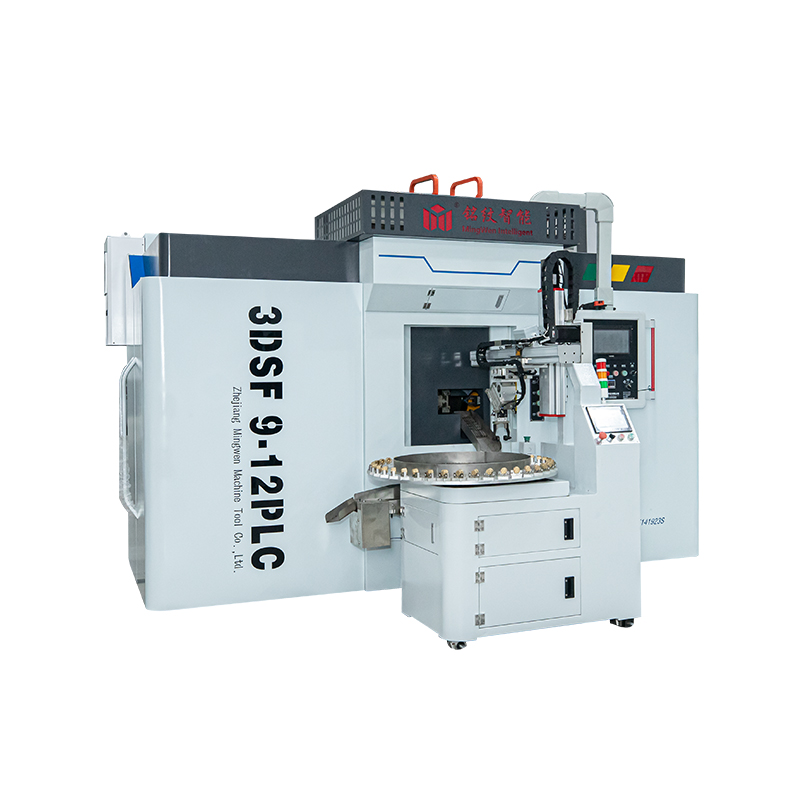
The Growing Demand for Servo-Controlled Rotary Transfer Machines
Rotary transfer machines are widely used for high-volume machining because they can complete multiple operations in a continuous process. However, many manufacturers now face challenges such as changing product requirements, tighter machining standards, and the need for easier production adjustments.
Servo systems provide accurate control of machine movements through real-time feedback. Compared with traditional mechanical control methods, servo-driven solutions allow more precise positioning, smoother operation, and easier parameter adjustments. This makes rotary transfer machines more suitable for modern production environments where consistency and flexibility are required.
Addressing Common Manufacturing Problems with Servo Technology
In daily production, manufacturers often experience issues related to setup time, machining accuracy, and process stability. Servo integration can help solve these problems by improving how the machine controls movement and responds to production changes.
Key advantages include:
- Precise positioning control: Servo motors help maintain accurate movement during indexing and machining operations.
- Simplified machine adjustment: Digital settings allow operators to modify parameters more efficiently.
- Stable production performance: Feedback systems help monitor operating conditions and maintain consistent processing.
- Flexible production capability: Servo-controlled machines can better adapt to different component designs.
For buyers searching for rotary transfer machine servo solutions, these features are important when evaluating equipment reliability and production value.
Important Considerations When Purchasing Servo Rotary Transfer Equipment
Selecting industrial equipment requires careful evaluation of both technical performance and supplier capabilities. Overseas buyers usually consider factors such as machine structure, control systems, maintenance convenience, and customization options.
A suitable servo rotary transfer machine should provide:
- Compatibility with existing production requirements
- Reliable servo and control components
- Easy operation and maintenance support
- Possibility for future process upgrades
As a manufacturer, we understand that different industries have different machining requirements. A well-designed machine should match the customer’s actual production process instead of relying on a standard solution.
Applications in Automotive, Hardware, and Precision Manufacturing
Servo rotary transfer machines are commonly applied in industries that require repeated machining operations with stable quality. Automotive component manufacturers use them for producing metal parts that require consistent dimensions. Hardware and industrial component suppliers also benefit from their ability to handle continuous production tasks.
With increasing demand for customized products, many companies are searching for flexible CNC and automation solutions that can support various component designs. Servo technology helps rotary transfer machines meet these changing requirements while maintaining efficient production workflows.
Supporting the Transition Toward Smart Manufacturing
Smart manufacturing is becoming an important direction for many factories. Companies are looking for equipment that can improve production visibility, support automation systems, and provide better control over manufacturing processes.
Servo systems create opportunities for smarter machine management by collecting operation information and improving communication between machine components. When combined with modern control technologies, rotary transfer machines can become an important part of an upgraded production line.
For manufacturers planning future automation improvements, choosing equipment with servo capability can provide more flexibility for production development.
Choosing a Reliable Rotary Transfer Machine Partner
A professional equipment supplier should provide more than machinery. Technical experience, customization ability, and long-term support are also important factors for international buyers.
Our team focuses on developing rotary transfer machining solutions based on customer production needs. From machine design and servo configuration to technical support, we work with customers to create practical solutions for different industrial applications.
For companies looking for Rotary Transfer Machine Servo equipment, working with an experienced manufacturer can help achieve more stable production processes and better equipment performance while supporting future manufacturing upgrades.
- No.1-2,24th Street, Eastern New District, Wenling City.Zhejiang Province
-
+86-13906540425
+86-13566858277
+86-576-87168388
+86-13757649712 - +86-576-87168398
- [email protected]
[email protected]
 Privacy