


 русский
 Español
Rotary Transfer Machine Hydraulic: Common Faults Troubleshooting for Hydraulic Systems
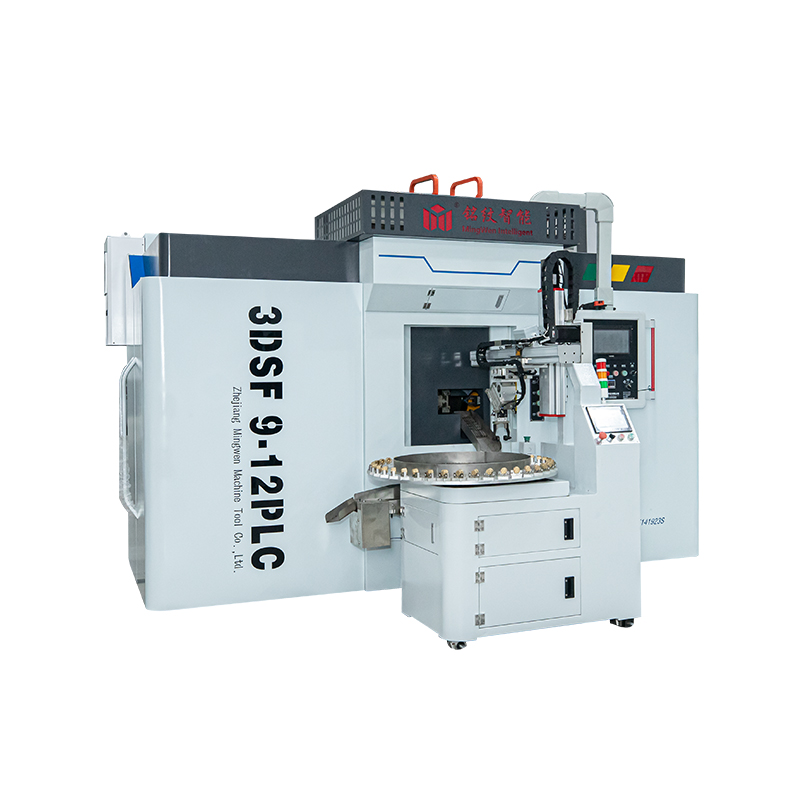
A Rotary Transfer Machine Hydraulic is a robust production asset, yet its complex hydraulic system can develop issues that disrupt manufacturing schedules. Recognizing and addressing these problems systematically can significantly reduce unplanned downtime. This guide outlines a structured approach to diagnosing and resolving typical hydraulic system malfunctions, moving from initial observations to targeted solutions.
Initial Safety and Basic Checks
Before beginning any diagnostic work, ensure the machine is in a safe condition. Follow established lock-out tag-out procedures to isolate energy sources. With safety confirmed, start with a fundamental inspection. Check the hydraulic reservoir’s fluid level and observe its condition; cloudy or discolored oil can indicate contamination or overheating. Note the temperature of the hydraulic unit and check the condition indicators on the pressure and return line filters. A quick visual scan for any obvious external leaks around fittings, hoses, and cylinder seals can often point to a straightforward issue.
Diagnosing Inaccurate Indexing and Table Crawling
One frequent concern is the rotary table not positioning correctly or exhibiting a jerking, "crawling" motion during rotation. This is often tied to fluid integrity or component wear. Begin by checking for air in the system, as entrained air can make the hydraulic action spongy and inconsistent. Inspect the condition of the hydraulic fluid; excessive contamination can cause valves to stick or spools to hesitate. Furthermore, internal leakage within the indexing cylinder or the associated control valves can result in a loss of precise positional control, requiring pressure tests to isolate the faulty component.
Addressing Low or Fluctuating System Pressure
When the machine lacks power for operations like heavy clamping or drilling, insufficient system pressure is a likely culprit. This symptom requires a step-by-step investigation of the pressure generation and control chain. Start by verifying the electric motor’s operation and its connection to the hydraulic pump. Then, using a calibrated pressure gauge, check the output directly at the pump. If pump output is adequate, the issue may lie with the system’s pressure control valve, which might be incorrectly adjusted, stuck open, or experiencing wear that prevents it from maintaining the required setting.
Resolving Excessive Noise and Heat Generation
Unusual noises, such as whining, knocking, or cavitation sounds, paired with excessive heat, point to other systemic problems. High fluid temperature often results from issues like a clogged heat exchanger, fluid passing continuously over a relief valve due to a fault, or using fluid with an inappropriate viscosity grade. Noise frequently originates from the pump suction line—a clogged inlet filter or a loose connection can cause cavitation. Persistent knocking may indicate worn bearings or internal damage within the pump or motor, necessitating a more detailed component inspection.
Implementing a Structured Response Plan
Developing a consistent response protocol is valuable. Create a simple log to record each fault occurrence, detailing the observed symptoms, the steps taken during diagnosis, the identified root cause, and the corrective action performed. This log becomes a vital resource for identifying recurring issues and planning preventive measures. It transforms reactive repairs into a knowledge base for improving long-term system reliability.
A methodical approach to troubleshooting a Rotary Transfer Machine Hydraulic not only restores function more quickly but also helps in identifying underlying conditions that could advance to more significant failures. Building a culture of systematic diagnosis and documentation supports sustained equipment performance.

- No.1-2,24th Street, Eastern New District, Wenling City.Zhejiang Province
-
+86-13906540425
+86-13566858277
+86-576-87168388
+86-13757649712 - +86-576-87168398
- [email protected]
[email protected]
 Privacy