


 русский
 Español
Rotary Transfer Machine Hydraulic: Genuine Spare Parts Supply & Maintenance Tips
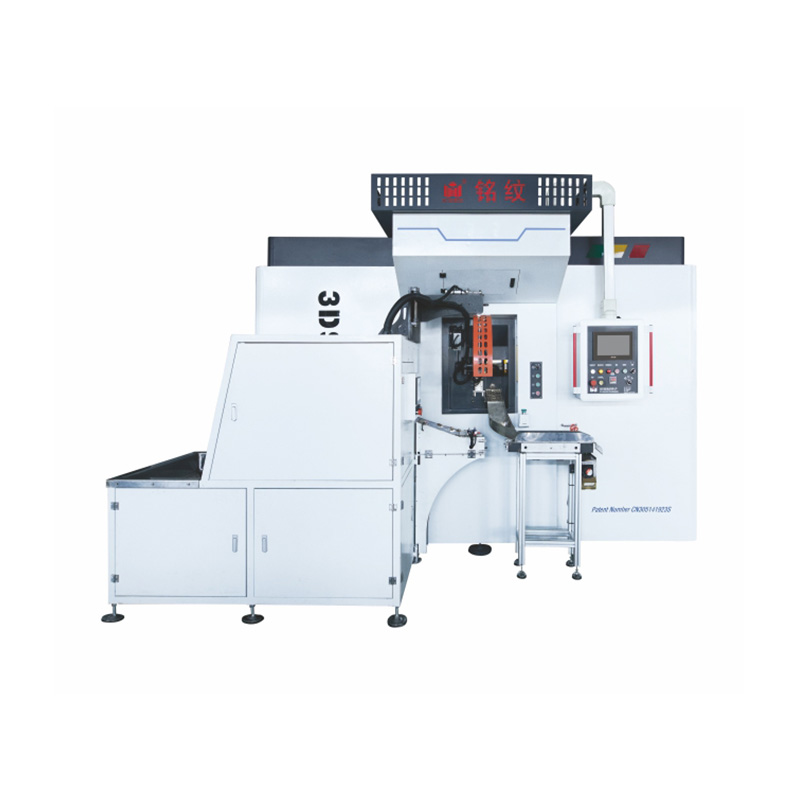
Modern machining environments depend heavily on the consistent performance of hydraulic systems, especially when operating multi-station automated equipment. Many production facilities rely on the Rotary Transfer Machine Hydraulic platform, where fluid-powered clamping, indexing, and feed systems require stable and durable components. As a result, the availability and quality of spare parts become essential considerations for long-term performance and cost efficiency. This article explores the significance of genuine spare parts and outlines practical maintenance strategies used in industrial settings.
Importance of Using Authentic Hydraulic Components
Hydraulic systems operate under constant pressure and high mechanical stress. Even minor variations in component specifications can affect performance. Using authentic spare parts ensures that each element matches the original design parameters for sealing, tolerance, flow rate, and compatibility. These components are designed to integrate precisely with pumps, valves, cylinders, and manifolds, ensuring reliable fluid behavior and stable operation.
Non-authentic parts may look similar but often use different materials or internal tolerances. Such differences can result in irregular pressure behavior, increased wear, or gradual leakage. Over time, this can impact machining quality and potentially cause unplanned downtime.
Common Hydraulic Spare Parts Used in Daily Operations
Workshops typically replace several hydraulic components during routine maintenance cycles:
Sealing kits:
Seals degrade over time due to heat, pressure, and oil contamination. Replacing them prevents leaks and pressure loss.
Pump and motor components:
Pumps experience mechanical wear due to continuous operation. Timely replacement avoids performance decline.
Valves and spool assemblies:
Valve responsiveness affects indexing accuracy and cylinder control. Worn valves cause slow shifting or internal leakage.
Hoses and fittings:
These parts are subjected to vibration and pressure surges and may develop cracks or loose connections.
Filters and strainers:
Filtering units help maintain oil cleanliness, protecting sensitive components from contamination.
Ensuring Reliable Spare Parts Supply
Workshops often implement structured procurement programs to guarantee the steady availability of spare parts. Key elements include:
Creating an internal parts catalog
A well-maintained catalog helps track component specifications, installation dates, and compatibility details.
Establishing reorder thresholds
By monitoring spare part consumption, workshops can maintain adequate stock without over-purchasing.
Using traceable items
Traceability helps ensure that components align with original design requirements.
Verifying material compatibility
Every hydraulic part must match the oil type, pressure rating, and temperature conditions.
Maintenance Tips for Long-Term Equipment Health
Consistent maintenance practices reinforce the value of high-quality spare parts:
1. Maintain Oil Cleanliness
Dirty oil is a frequent cause of valve sticking, seal wear, and inconsistent cylinder movement. Regular testing and filtration help preserve oil quality.
2. Replace Wear Components on Schedule
Seals, filters, and hoses should be replaced based on usage hours and environmental conditions, not just when faults occur.
3. Inspect Pressure and Temperature Trends
Gradual changes often indicate early-stage component wear.
4. Prevent Air Infiltration
Loose fittings or cracked hoses can introduce air bubbles that disrupt system stability.
5. Monitor system behavior after part replacement
New parts should be tested under typical loads to verify correct function.
Benefits of Proper Spare Parts Management
When a workshop maintains high standards for sourcing and replacing hydraulic components, several long-term advantages emerge:
Reduced unexpected downtime
Well-maintained systems experience fewer disruptions.
Improved machining consistency
Stable hydraulic pressure directly supports geometry accuracy and repeatability.
Extended system lifespan
Authentic components tend to wear more predictably, allowing smoother maintenance cycles.
More predictable operating costs
Using the right parts reduces the chance of severe failures that require extensive repairs.
A dependable supply of authentic hydraulic components plays a crucial role in maintaining stable performance in automated multi-station machining environments. For facilities operating a Rotary Transfer Machine Hydraulic configuration, effective spare parts management helps sustain consistent output while reducing long-term risks. Through disciplined procurement strategies and proper maintenance routines, workshops can preserve equipment reliability and ensure smooth production flow.

- No.1-2,24th Street, Eastern New District, Wenling City.Zhejiang Province
-
+86-13906540425
+86-13566858277
+86-576-87168388
+86-13757649712 - +86-576-87168398
- [email protected]
[email protected]
 Privacy