


 русский
 Español
Rotary Transfer Machine Hydraulic: Hydraulic System Optimization for Enhanced Accuracy
In machining environments where high consistency and stable output are essential, hydraulic systems play a critical role in delivering smooth movements and precise clamping. Many production workshops rely on the Rotary Transfer Machine Hydraulic platform to achieve coordinated multi-station machining, and system accuracy becomes a key performance factor in daily operations. This article examines strategies for optimizing hydraulic systems to improve accuracy and maintain steady machining conditions.
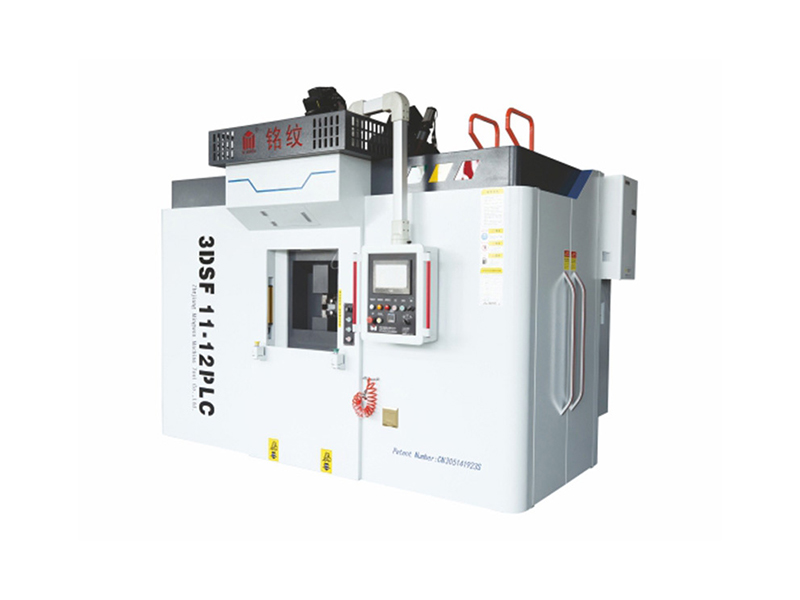
How Hydraulic Accuracy Influences Machining Quality
Hydraulic accuracy affects several critical aspects of machining:
Clamping consistency: Uniform clamping force ensures that each workpiece is secured with the same stability.
Indexing reliability: Hydraulically driven indexing mechanisms must reach each position precisely to avoid dimensional deviation.
Smooth feed motion: Cylinders and actuators powered by hydraulic pressure must maintain accurate speed and stroke lengths.
Any instability in the fluid system—such as fluctuating pressure, temperature changes, air bubbles, or contaminated oil—can disturb machining precision.
Key Areas for Hydraulic Optimization
Hydraulic accuracy can be improved by focusing on several technical aspects:
1. Valve Response and Control Behavior
System accuracy often depends on how quickly valves respond to control signals. Ensuring smooth spool movement, balanced flow, and stable pressure drop helps cylinders reach their exact stroke positions. Valve adjustments should follow manufacturer guidelines to keep flow values within proper tolerance.
2. Stabilizing Pressure Levels
Pressure fluctuations can cause irregular movement. Optimization efforts may include adjusting pressure regulators, recalibrating relief valves, or upgrading pump modules with smoother flow characteristics.
3. Improving Oil Flow and Reducing Turbulence
Clean, stabilized oil flow supports predictable cylinder performance. Large pressure spikes or turbulence can change actuator speeds or produce uneven clamping.
4. Controlling Temperature Rise
Higher temperatures reduce viscosity, potentially advance to inaccurate motion. Cooling circuits and heat exchangers may need inspection or optimization to maintain a stable fluid temperature.
Recommended Upgrades and Adjustments
Several enhancements may improve accuracy without major equipment changes:
Enhanced pressure sensors and feedback systems
Real-time monitoring helps operators detect unusual fluctuations early.
Improved cooling units or auxiliary temperature control
Stable oil temperature provides consistent clamping and feed performance.
High-efficiency filters
Better filtration helps protect valves and adjusters from contamination.
Precision regulators
Some upgraded regulators offer finer pressure adjustments, improving system smoothness.
Digital Monitoring and Performance Tracking
Many workshops adopt digital monitoring to better understand hydraulic performance trends. By recording pressure, temperature, valve position, and actuator speed in real time, operators can detect early-stage irregularities that might otherwise go unnoticed. This data also helps refine parameters during maintenance, setup, or retooling.
Examples of useful tracking categories include:
Pressure stability over long cycles
Consistent patterns help confirm whether regulators and pumps are functioning normally.
Temperature curves
Sudden rises may indicate internal leakage or cooling issues.
Valve response times
Slower shifts could suggest contamination or wear.
Real-World Improvements Observed After Optimization
Workshops that apply systematic optimization frequently report smoother indexing, reduced vibration, and more stable cycle repeatability. For example, upgrading filtration systems often leads to reduced valve sticking incidents. Similarly, maintaining a stable oil temperature helps retain predictable clamping behavior throughout extended shifts.
Although results vary depending on equipment age and maintenance practices, improvements generally contribute to enhanced machining consistency and reduced downtime.
Optimizing hydraulic systems is essential for achieving consistent machining accuracy in automated multi-station equipment. The Rotary Transfer Machine Hydraulic configuration benefits greatly from improvements in pressure stability, valve responsiveness, oil cleanliness, and temperature control. With regular monitoring and thoughtful system enhancements, workshops can maintain steady performance and support high-quality production outcomes.

- No.1-2,24th Street, Eastern New District, Wenling City.Zhejiang Province
-
+86-13906540425
+86-13566858277
+86-576-87168388
+86-13757649712 - +86-576-87168398
- [email protected]
[email protected]
 Privacy