


 русский
 Español
Rotary Transfer Machine Hydraulic Maintenance Guide: Common Troubleshooting and Oil Leak Solutions
Routine maintenance plays a major role in preserving the performance and reliability of any hydraulic machining system. This is especially true for automated multi-station equipment, where hydraulic components support clamping, indexing, and feed motions. In many production facilities, the Rotary Transfer Machine Hydraulic setup is widely used, and users frequently request practical guidance for troubleshooting and preventing oil leaks. This article offers a structured maintenance guide that addresses the causes of common faults and provides methods to prevent recurring leakage.
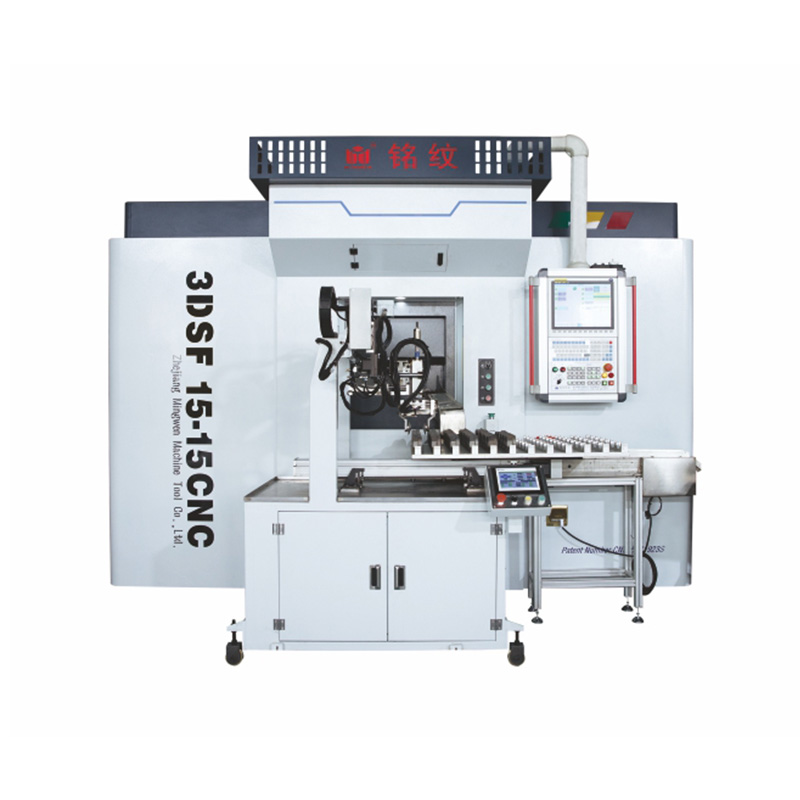
Essential Principles of Hydraulic Maintenance
Hydraulic maintenance revolves around three core objectives:
keeping the oil clean, ensuring all components operate smoothly, and preventing leakage or contamination from spreading through the system.
Smooth hydraulic performance directly supports machining accuracy and production continuity. Without proper maintenance, wear or contamination can gradually compromise both the speed and reliability of the entire line.
Common Causes of Hydraulic Oil Leakage
Oil leaks are among the lots of frequent issues reported in workshops. Leakage can originate from several sources:
1. Aged or damaged seals
Seals degrade over time due to constant heat and pressure. Once hardened or worn, they lose the ability to maintain proper sealing.
2. Loose connections and fittings
Vibration and pressure cycling can loosen fittings or cause micro-gaps that gradually allow oil to escape.
3. Cracked hoses
Thermal stress and repeated flexing can eventually produce cracks or bulges in hoses.
4. Excessive pressure
If pressure builds beyond the tolerance of certain components, leakage may occur at weak points.
5. Contaminated oil
Particles in the fluid can damage seals and valve components, making leakage more likely.
Troubleshooting Procedures for Oil Leaks
A careful approach is required to identify the leak source and determine a reliable solution.
Step 1: Locate the Leak
Operators should clean the area and inspect surfaces under sufficient lighting. Traces of oil usually appear around fittings, seals, gaskets, or hose connections.
Step 2: Assess System Pressure
Using pressure gauges, technicians compare readings at different points. A significant difference may indicate internal leakage or improper regulator settings.
Step 3: Review Hose and Fitting Conditions
Hoses should be checked for cracks, wear, or loosened connections. Metal fittings may require re-torquing or replacement.
Step 4: Replace Damaged Components
Seals, hoses, and fittings showing wear should be replaced immediately. Fresh seals require proper lubrication during installation.
Step 5: Examine Oil Quality
Operators must check the oil’s appearance and contamination level. Darkened fluid or sludge indicates the need for replacement and possibly filtration upgrades.
Preventive Measures Against Future Leakage
Workshops can reduce recurrence by applying consistent preventive measures:
Scheduled inspections: Visual checks help catch early-stage leaks before they become severe.
Proper torque application: Connections must be tightened according to recommended torque values.
Clean working environment: Avoiding contamination protects seals and valves from unexpected wear.
Appropriate hose routing: Ensuring hoses are not stressed or excessively bent improves longevity.
Routine oil changes: Fresh oil delays seal deterioration and ensures smoother valve movement.
Safety Considerations for Technicians
Working with hydraulic systems demands attention to safety:
Always depressurize the system before maintenance.
Avoid contact with pressurized oil streams.
Use personal protective equipment.
Dispose of used oil according to environmental guidelines.
Hydraulic systems require consistent maintenance to provide stable performance during intensive machining cycles. Preventing oil leaks and addressing common faults ensures smoother operation and protects equipment from premature wear. For users operating a Rotary Transfer Machine Hydraulic setup, following structured troubleshooting steps and preventive measures helps extend system life and supports reliable production output.

- No.1-2,24th Street, Eastern New District, Wenling City.Zhejiang Province
-
+86-13906540425
+86-13566858277
+86-576-87168388
+86-13757649712 - +86-576-87168398
- [email protected]
[email protected]
 Privacy