


 русский
 Español
Rotary Transfer Machine Hydraulic: How to Resolve Hydraulic Pressure Insufficiency Issues
Stable hydraulic pressure is crucial for achieving consistent performance in automated machining equipment. Many manufacturing environments rely on the Rotary Transfer Machine Hydraulic platform, where cylinders, valves, and actuators must operate with steady pressure to ensure accurate clamping, indexing, and feed motion. However, pressure insufficiency is one of the issues that operators frequently encounter. This article explains the causes, diagnostic processes, and solutions for restoring proper hydraulic pressure.
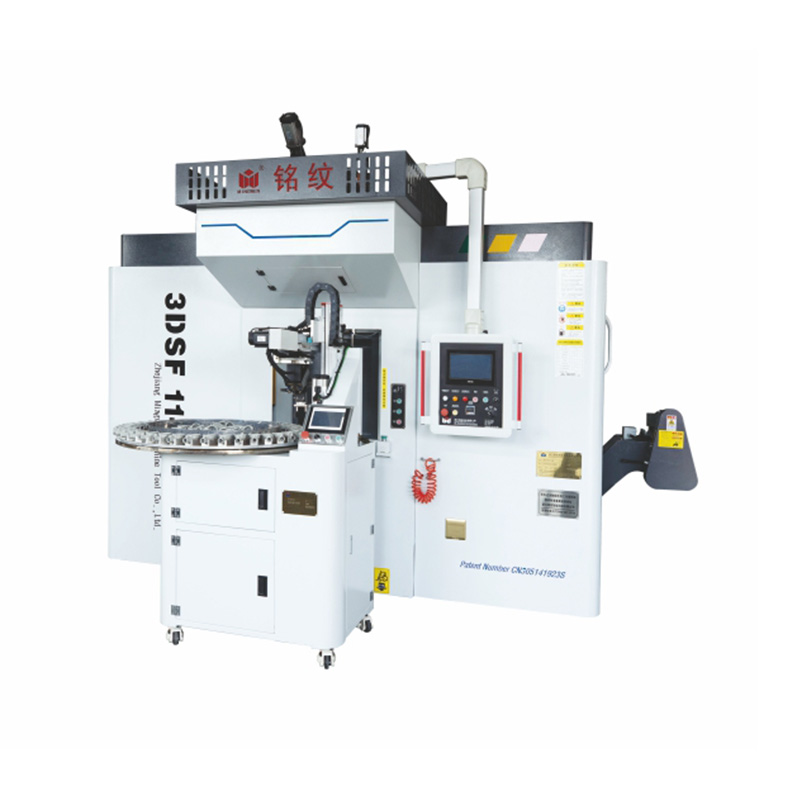
Why Pressure Stability Matters
Hydraulic pressure directly affects:
Clamping force, actuator positioning, feed speed, and multi-station operations accuracy.
When pressure falls below the required level, machining consistency deteriorates. Components may not hold the workpiece firmly, cylinders may not complete their strokes, and indexing tables may fail to lock securely into position.
Common Reasons for Pressure Drop
A variety of mechanical or fluid-related faults can contribute to pressure insufficiency:
1. Pump Wear or Damage
Hydraulic pumps experience continuous mechanical load. As internal surfaces wear, the pump’s ability to generate stable pressure decreases.
2. Clogged Filters
Contaminants trapped in filters restrict flow, preventing the pump from delivering adequate oil volume.
3. Valve Malfunctions
Valves may experience internal leakage, blockage, or sticking, causing inconsistent pressure downstream.
4. System Air Infiltration
Air bubbles compress under pressure, reducing the effective fluid force delivered to cylinders and actuators.
5. Internal Leakage in Cylinders
Damaged seals or worn piston surfaces may cause oil to bypass internally, reducing output force.
6. Oil Temperature Variations
When the temperature increases, the viscosity of hydraulic oil decreases, possibly reducing pressure stability.
Step-by-Step Diagnostic Procedure
A structured diagnostic process helps identify the exact source of the issue:
Step 1: Check System Pressure Under Load
Measurements should be taken at pump outlets, manifolds, and cylinder ports. If pressure drops significantly under load, internal leakage or pump wear may be the cause.
Step 2: Inspect Filters and Oil Quality
Filters should be checked for blockage. Oil color and smell can indicate contamination, degradation, or oxidation.
Step 3: Examine Hoses and Fittings
Loose or damaged hoses can introduce air, which reduces pressure and causes vibration or irregular movement.
Step 4: Test Valves for Internal Bypass
Technicians may perform isolation tests to determine whether valves are passing fluid internally.
Step 5: Review Cylinder Condition
Cylinders with worn seals may require disassembly or replacement to restore effective pressure.
Step 6: Evaluate Pump Condition
Pump flow tests help confirm whether the pump is delivering the expected volume at operating pressure.
Methods for Restoring Proper Pressure
Replace Worn Pumps: Installing a new or refurbished pump helps restore steady flow and pressure.
Clean or Change Filters: Unrestricted oil flow is essential for preventing pressure drop.
Seal Replacement: New seals in cylinders and valves help restore internal integrity.
Bleed Air From the System: Removing air improves responsiveness and reduces pressure loss.
Adjust Pressure Relief Settings: Correcting misadjusted valves helps stabilize pressure behavior.
Improve Temperature Control: Optimizing cooling or flow circulation helps maintain suitable viscosity.
Long-Term Stability Strategies
Operators can prevent pressure insufficiency by adopting long-term maintenance routines:
Regular oil analysis helps identify contamination early.
Scheduled seal and hose replacement reduces leakage risk.
Monitoring pressure trends provides early warning of sudden changes.
Ensuring clean filtration protects valves and pumps.
Consistent application of these practices improves system reliability and supports stable machining outcomes.
Hydraulic pressure insufficiency can disrupt machining operations and reduce output stability. By understanding common causes, adopting structured diagnostic techniques, and implementing appropriate corrective measures, workshops can restore consistent pressure levels. Facilities using a Rotary Transfer Machine Hydraulic configuration benefit greatly from a proactive maintenance strategy, ensuring reliable clamping, accurate indexing, and smooth production flow over long-term operation.

- No.1-2,24th Street, Eastern New District, Wenling City.Zhejiang Province
-
+86-13906540425
+86-13566858277
+86-576-87168388
+86-13757649712 - +86-576-87168398
- [email protected]
[email protected]
 Privacy