


 русский
 Español
Rotary Transfer Machine Hydraulic Equipment Improves Multi-Station Processing
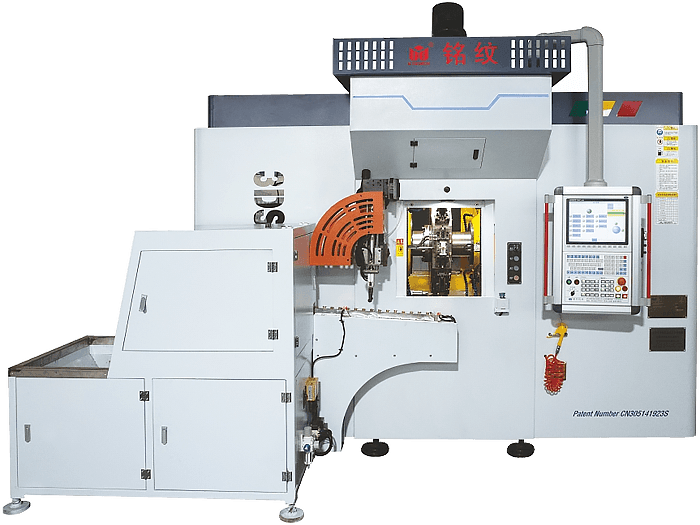
Industrial manufacturers continue searching for machining equipment that supports stable production and organized workflow management. In many metalworking applications, the Rotary Transfer Machine Hydraulic system is widely used for processing hydraulic fittings, manifolds, valve bodies, and industrial connectors. These machines combine hydraulic control with rotary indexing technology, allowing multiple machining operations to take place within one compact production structure.
As production demands continue changing, many factories prefer equipment capable of handling repeated machining procedures with stable movement and coordinated station operation. Rotary transfer machines are commonly used for drilling, tapping, milling, chamfering, and reaming processes where continuous production flow is important.
Multi-Station Processing Supports Continuous Production
One important feature of rotary transfer machines is their multi-station structure. Instead of moving workpieces between several separate machines, components are transferred automatically through different machining stations within one system.
Each station performs a specific operation while the rotary indexing table moves parts through the machining cycle. One station may handle drilling while another performs tapping or chamfering. This arrangement allows several processes to occur simultaneously, helping manufacturers organize production more efficiently.
Multi-station processing is especially useful for components that require multiple holes, threaded sections, or repeated cutting operations. Hydraulic fittings and valve bodies are common examples because they often involve complex machining sequences.
By reducing unnecessary material transfer between separate machines, rotary transfer systems help support smoother workflow coordination inside manufacturing facilities.
Hydraulic Equipment Supports Stable Machine Movement
Hydraulic systems play an important role in rotary transfer machines because they support clamping, positioning, and indexing movement during machining. Stable hydraulic pressure helps maintain secure fixture holding while cutting operations are performed.
During heavy drilling or tapping procedures, hydraulic clamping systems help reduce unnecessary workpiece movement. This supports cleaner machining results and helps maintain positioning consistency throughout the production cycle.
Hydraulic systems also assist with smooth rotary table movement between stations. Controlled indexing helps workpieces move through the machine structure in a stable and organized manner.
For industries processing steel, brass, or aluminum components, stable machine movement is important because repeated machining procedures require reliable positioning accuracy.
Improved Workflow for Industrial Manufacturing
Many manufacturing facilities use rotary transfer machines to support medium and large production batches. Because multiple operations are completed within one machine structure, factories can reduce the amount of manual handling required during production.
Automatic loading systems and conveyors can also be integrated into rotary transfer equipment. Raw materials move into machining stations automatically, while finished components are transferred toward inspection or packaging areas.
This production arrangement helps reduce interruptions during machining and supports more organized workflow management. Factories producing hydraulic connectors, pipe fittings, and automotive components often use this approach to maintain continuous operation.
Chip removal systems and coolant circulation equipment are commonly added to support cleaner machining environments during long operating periods.
CNC and Flexible Manufacturing Developments
Modern rotary transfer machines are increasingly connected with CNC systems and digital monitoring technology. CNC controls allow manufacturers to adjust machining parameters more efficiently while supporting consistent production procedures.
Servo hydraulic systems are also receiving more attention because they support responsive movement control and energy management during machining.
Some manufacturers are introducing modular station layouts that allow tooling changes for different workpiece designs. This helps factories respond to changing production requirements while maintaining organized machining flow.
Digital monitoring systems can observe hydraulic pressure, spindle condition, and machine status during operation. Maintenance teams use this information to organize servicing schedules and monitor machine performance more effectively.
Rotary transfer machines equipped with hydraulic systems continue to support industrial production environments where stable multi-station machining and continuous workflow organization remain important production requirements.

- No.1-2,24th Street, Eastern New District, Wenling City.Zhejiang Province
-
+86-13906540425
+86-13566858277
+86-576-87168388
+86-13757649712 - +86-576-87168398
- [email protected]
[email protected]
 Privacy