


 русский
 Español
Rotary Transfer Machine Hydraulic Technology Supports Flexible Manufacturing
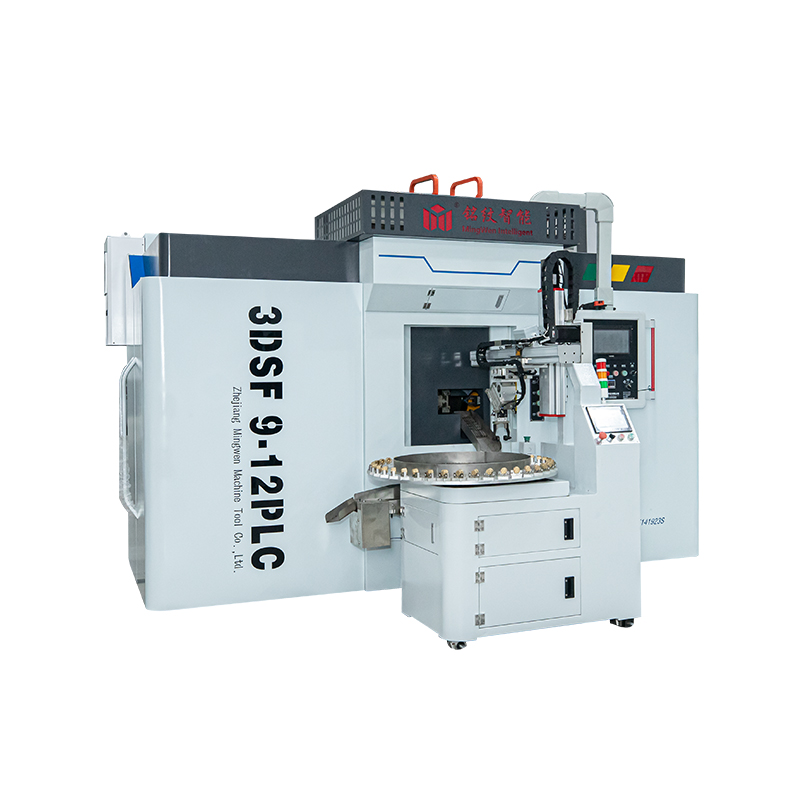
Manufacturing industries are continuing to adapt to changing production requirements, smaller batch sizes, and more customized component designs. In many machining environments, the Rotary Transfer Machine Hydraulic system is becoming an important solution for factories that need both stable production and greater flexibility. These machines combine hydraulic control systems with rotary indexing structures, allowing manufacturers to organize multiple machining operations within one production process.
Traditional transfer machines were often associated with long production runs for fixed product designs. However, modern manufacturing trends are creating demand for equipment that can support faster product changes and more flexible machining arrangements. Rotary transfer machines equipped with hydraulic technology are now being developed to support these changing production needs.
Hydraulic Technology Supports Stable Processing
Hydraulic systems are widely used in rotary transfer machines because they support clamping, positioning, and rotary table movement during machining operations. Stable hydraulic pressure helps maintain secure workpiece holding while drilling, tapping, milling, and chamfering processes are performed.
For hydraulic valve bodies, manifolds, and industrial connectors, positioning accuracy is important because many parts contain multiple holes and threaded sections. Hydraulic clamping systems help maintain workpiece stability throughout repeated machining procedures.
Hydraulic systems also support controlled indexing movement between machining stations. Smooth table rotation allows workpieces to move through different production stages in an organized and stable manner.
In continuous manufacturing environments, hydraulic systems assist with maintaining stable machine performance during long operating periods.
Flexible Manufacturing Becomes More Important
Many factories are no longer producing only one component type for extended periods. Smaller production batches and customized product designs are becoming more common across industrial manufacturing sectors.
Because of this change, manufacturers are searching for machining systems that allow faster tooling changes and easier production adjustments. Rotary transfer machines are increasingly designed with modular station layouts and adjustable fixtures to support different workpiece sizes and machining requirements.
Flexible tooling arrangements help factories reduce downtime during product changeovers. Operators can adjust machine setups more efficiently when switching between different components.
Some rotary transfer machines are also integrated with CNC systems that allow machining parameters to be modified according to production requirements. This combination supports more adaptable manufacturing processes while maintaining organized workflow management.
Automation Supports Production Coordination
Modern rotary transfer machines are frequently connected with automated loading and unloading systems. Robotic arms, conveyors, and feeding devices help move materials through the production line with reduced manual handling.
Automatic loading systems transfer raw workpieces into machining stations while finished components move toward inspection or packaging areas. This arrangement supports smoother workflow coordination and helps maintain continuous production flow.
Hydraulic systems continue to support stable machine movement during automated operation. Controlled clamping and indexing help maintain organized machining procedures throughout the production cycle.
Chip conveyors and coolant circulation systems are also commonly integrated into automated machining environments to support cleaner operating conditions.
Smart Manufacturing and Digital Monitoring
Manufacturing companies are increasingly introducing digital monitoring systems into machining equipment. Rotary transfer machines can now be equipped with sensors that monitor hydraulic pressure, spindle condition, machine temperature, and indexing movement.
These monitoring systems help maintenance teams observe machine performance during operation and organize servicing schedules more effectively.
Servo hydraulic systems are also receiving more attention because they support responsive movement control and energy management during machining procedures. Some factories use remote monitoring systems to observe machine conditions across different production areas.
As manufacturing environments continue evolving, flexible production capability is becoming an important consideration when selecting machining equipment. Rotary transfer machines equipped with hydraulic technology continue to support industries that require stable machining, organized workflow management, and adaptable production arrangements.

- No.1-2,24th Street, Eastern New District, Wenling City.Zhejiang Province
-
+86-13906540425
+86-13566858277
+86-576-87168388
+86-13757649712 - +86-576-87168398
- [email protected]
[email protected]
 Privacy